


PRINTMAKING
$434.50 ($395.00 + GST)
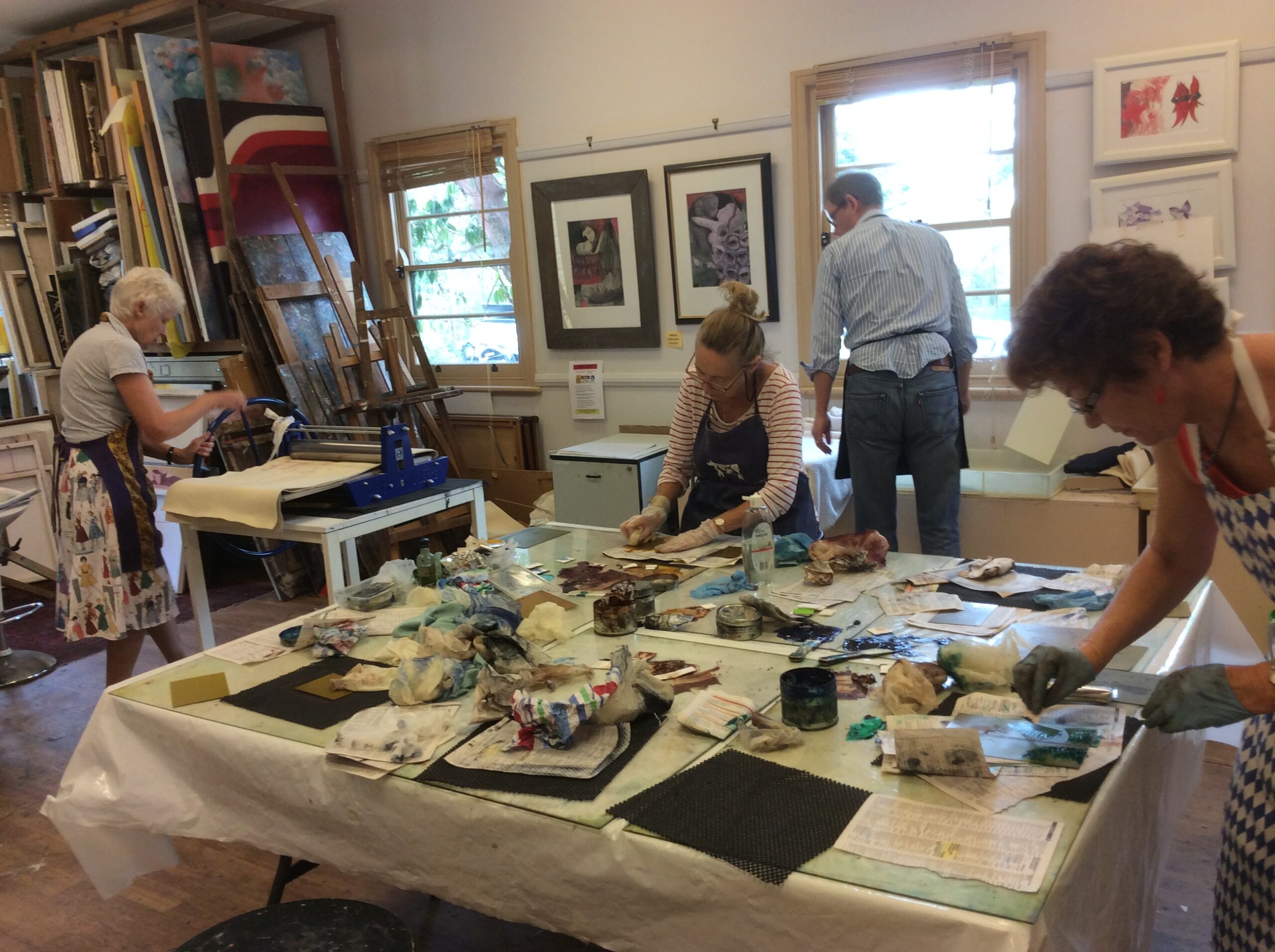
This is your opportunity to enjoy a weekly class learning etching from a master Printmaker.
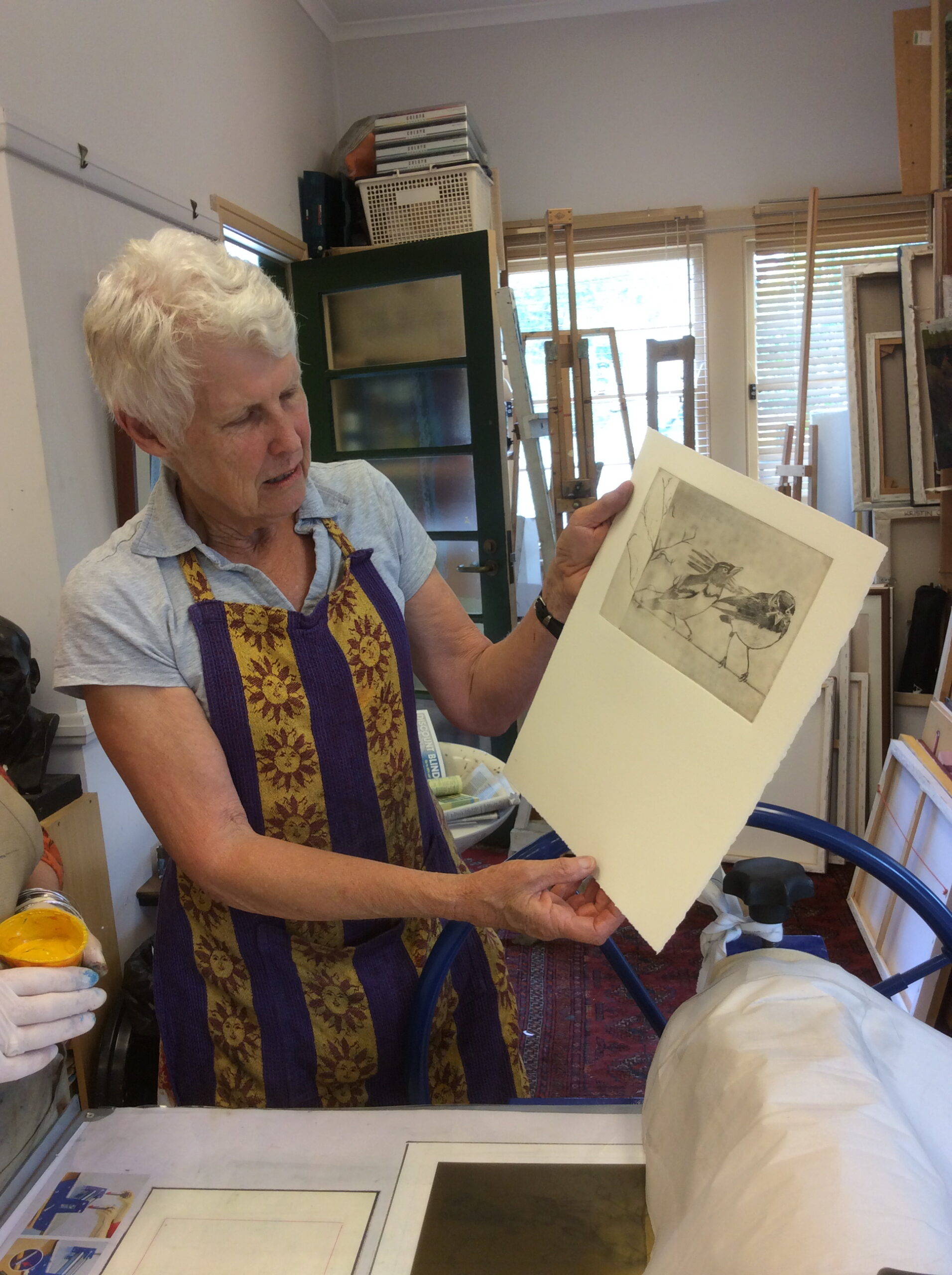
Printing original images, ie engraving and etching, goes as far back as 1450. Artists such as Durer, Rembrandt, Matisse, Picasso and Toulouse-Lautrec all made original etchings and prints as part of their artistic output. Modern materials have simplified the processes without compromising the result.
Etching is currently enjoying a revival and learning from a master cannot be over-estimated. To this end the School of Fine Art is proud to present Seraphina Martin
No places available
Add to Wait List
Description
TECHNIQUES TAUGHT THROUGHOUT THE COURSE:
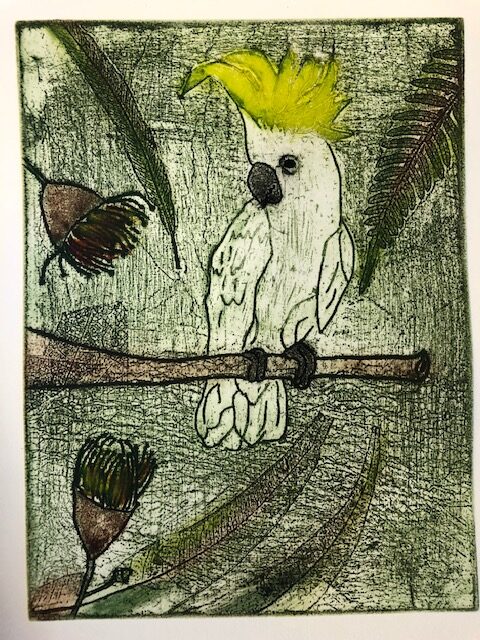
SOLAR PLATE ETCHING: is a quick, simple and safe alternative to traditional etching. Rather than acids, all that is needed are the UV rays of the sun to etch a plate. Your image is applied onto transparent film, then exposed to the sun for 2.5 min using a photopolymer plate. A built in photo sensitive emulsion hardens the image in the sun, the plate is then washed in water revealing your image ready for printing with the etching press.
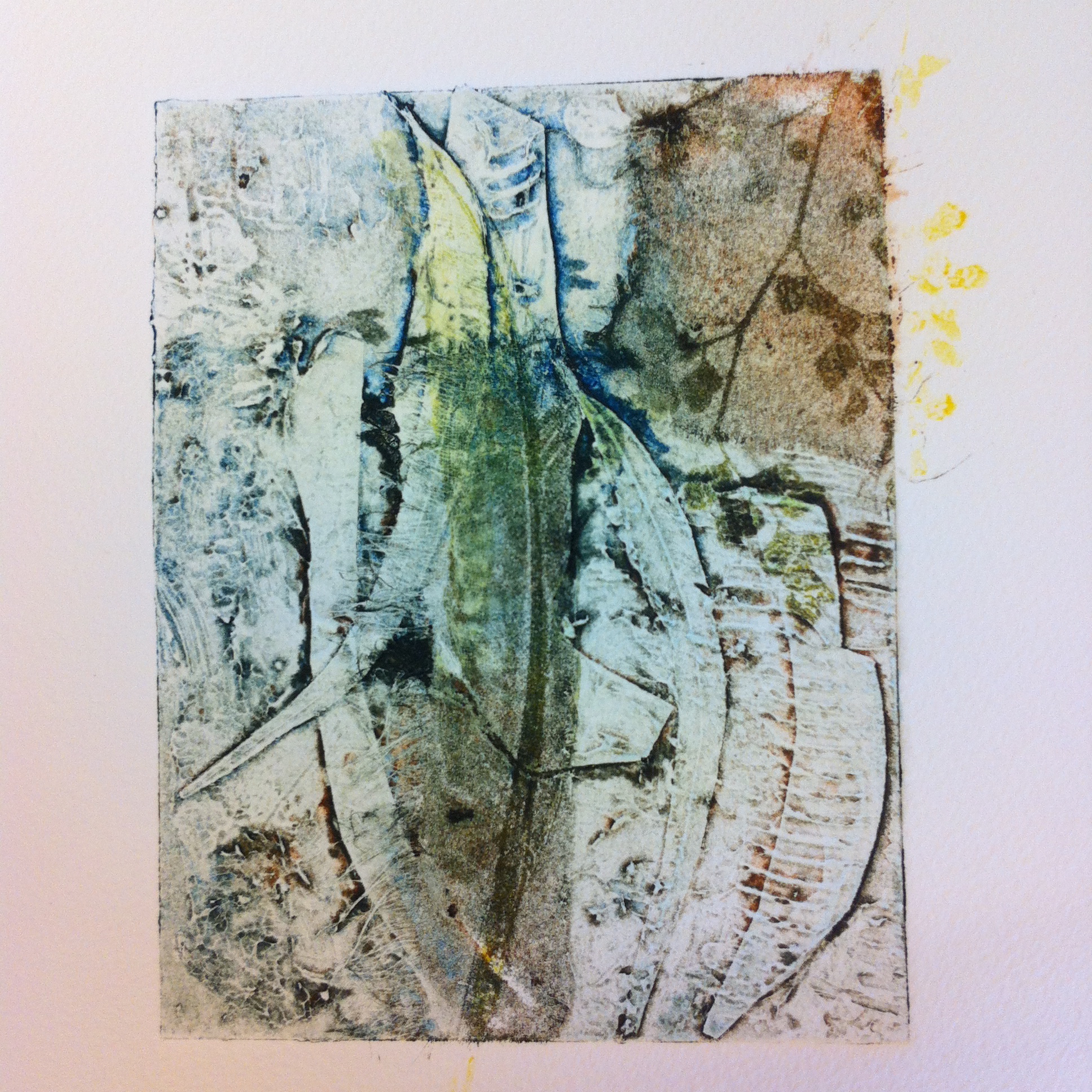
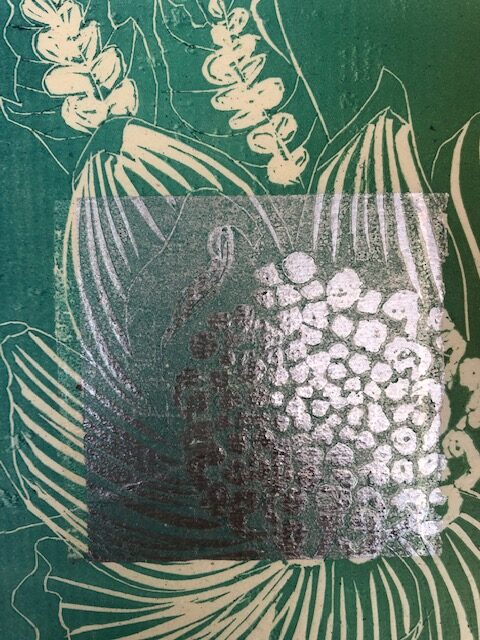
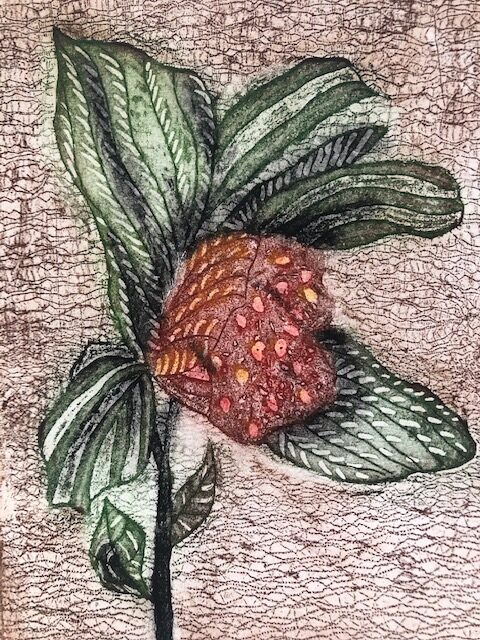
COLLAGRAPH TECHNIQUE: The focus of this technique is based on experimental ways of applying various materials onto a cardboard plate. Interesting textures can be found in materials such as: lace, leaves, tissue paper, impasto mediums, gesso, threads, fabrics, carburendum powder. These are adhered to the cardboard and sealed, then inked and rolled with colour and printed with the etching press.
ALUMINIUM ETCHING: This etching technique emulates traditional copper etching with the same results. The advantage of this process is that Copper
Sulphate rather than nitric acid is used to etch the plate.This is a non toxic form of plate etching where tone is also achieved without rosin dust. Non toxic.
DRYPOINT: the surface of a plastic plate is scratched with a sharp metal needle creating a burr. The plate is printed yielding very soft velvety blacks by means of crosshatching. Ink is manipulated on the surface of the plate allowing subtle plate tone characteristic to this technique. Stunning results are achieved In very little time
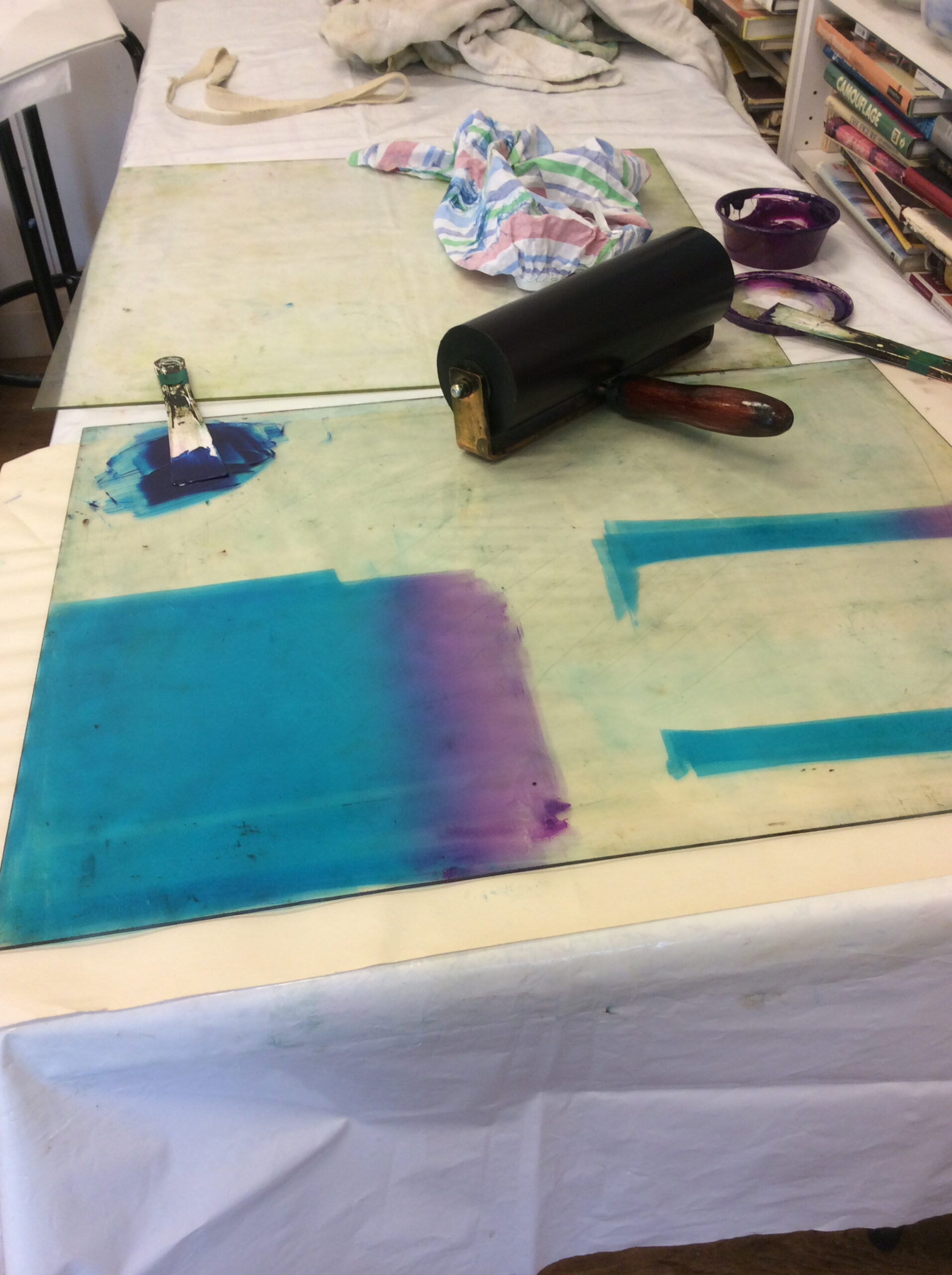
VISCOSITY PRINTING: invented by William Hayter in the 30’s. A method where oil is mixed with coloured inks, and resist each other, creating multilayered effects on the plate. Cut stencils allow for variations in shape and colour. Up to 6 colours can be applied onto the plate with any one passage through the press.
ALL TECHNIQUES ARE NON TOXIC
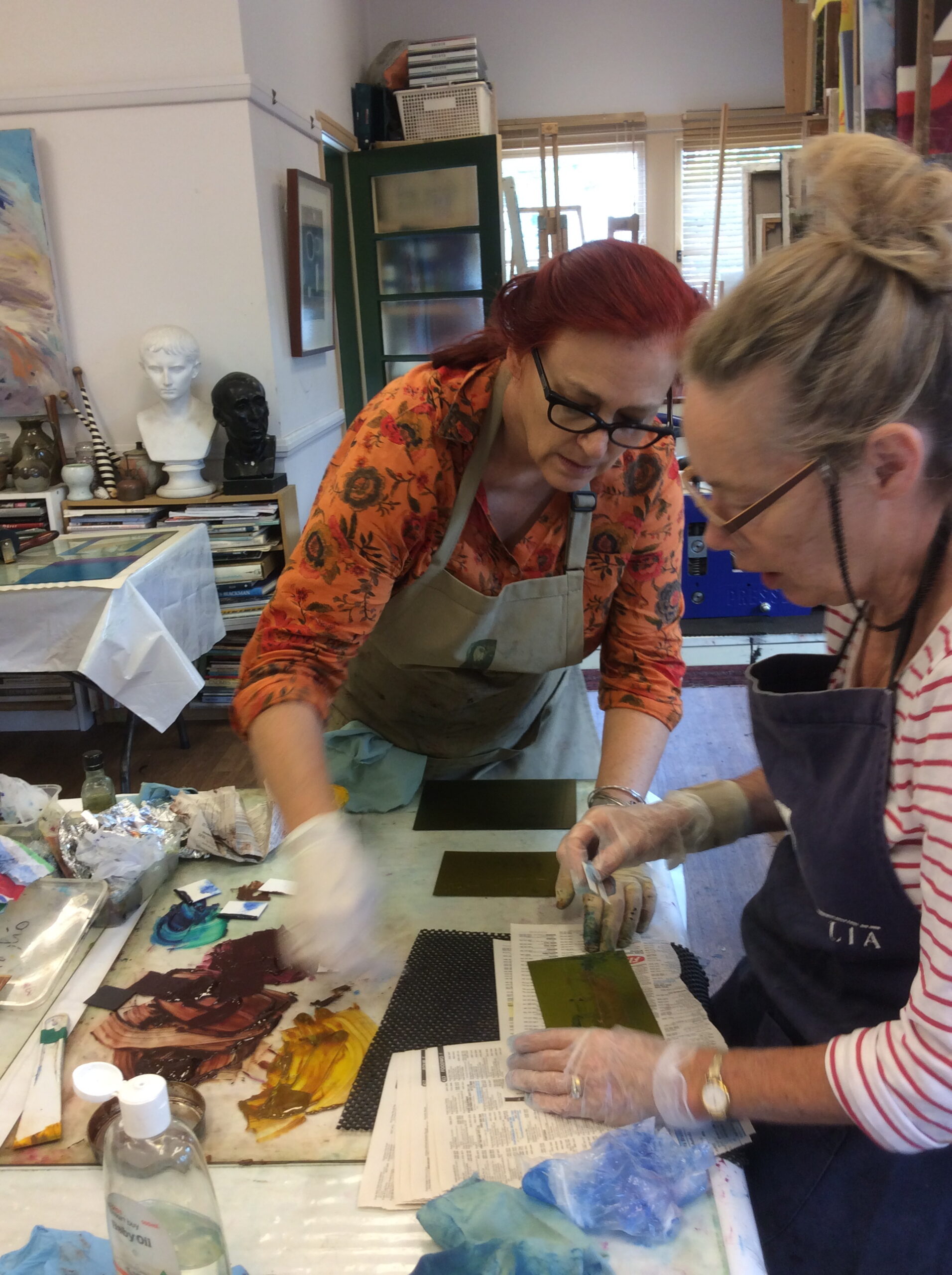
VEGETABLE,BABY AND CITRUS OILS WILL BE USED FOR CLEANING INKS
FOR HEALTH REASONS NO TURPS WILL BE USED AT ANY TIME IN THESE CLASSES


